
Understanding Different Styles of British Real Ale
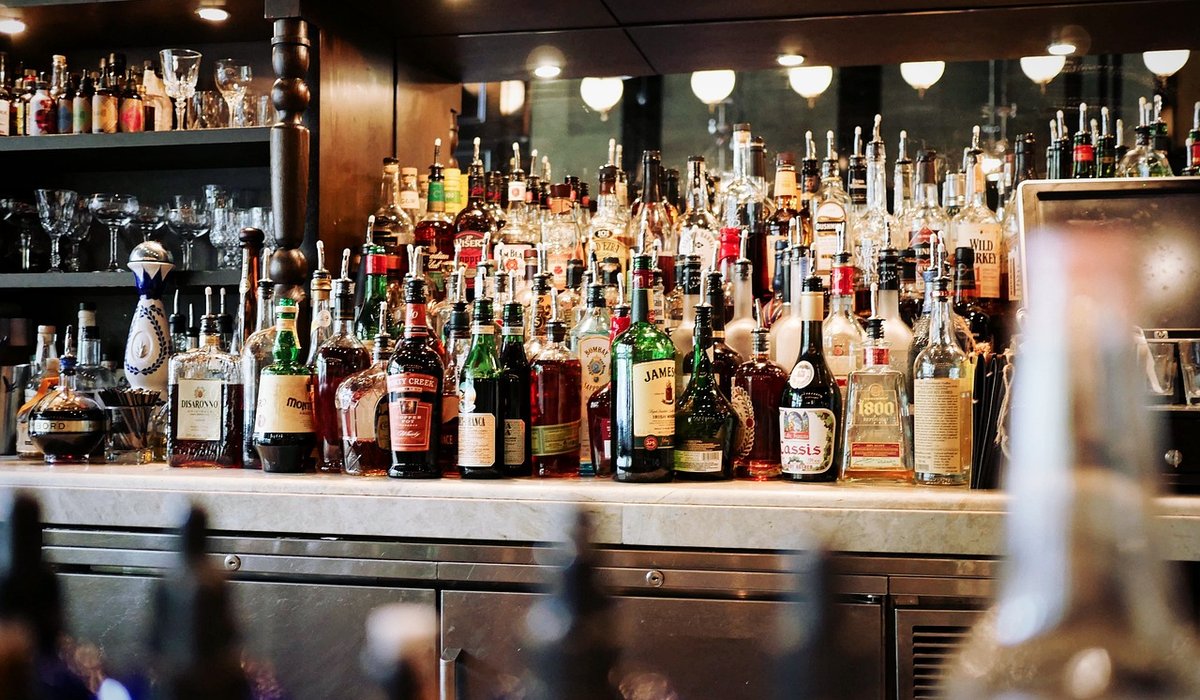
The Beer Has to Be Right
Everything else in a pub can be charming, but if the beer is tired, nothing else really matters. Real ale is a living product and a good local treats it that way. Before you commit to a seat, glance along the bar. Are there four or five handpulls on, or one lonely pump with a faded clip? A pub that shifts only a trickle of cask is a pub where the cask sits too long in the line, and you can taste it.
Cellar temperature should sit somewhere around 11–13°C. That is cool, not chilled to numbness. A proper pint of bitter should have condition, a gentle sparkle, and a head that lasts to the bottom of the glass rather than collapsing after two minutes. If the first mouthful tastes of vinegar, cardboard or washing-up liquid, send it back politely. A decent landlord will pour you something else without a flicker of resentment, because they would rather know than lose you.
- Turnover: ask which ale is moving fastest. Staff always know, and they will steer you right.
- Clarity: a slight haze in an unfined or naturally cloudy beer is fine, but a murky pint of an ordinary bitter usually means the cask has been shaken or the line is dirty.
- Sparkler or not: a matter of regional religion. Northern pubs tend to use one for a tight, creamy head; southern pubs often pour through a plain tap. Neither is wrong, but a good pub will know its own beer and serve it how it drinks best.
- Line cleaning: weekly at minimum. If every ale tastes faintly of the one before it, walk away.
The Welcome Is the Whole Point
You can forgive worn carpet, mismatched chairs and a dartboard with a missing number. You cannot forgive being made to feel like an intruder. The best locals have a landlord or landlady who looks up when the door opens, nods at the regulars by name, and clocks a new face without staring it down. That balance — warm but not overwhelming — is a genuine skill.
Watch how the staff treat the person ordering a half of mild and a packet of crisps as opposed to the table ordering four roasts and a round of gin. If both get the same courtesy, you have found somewhere worth returning to. Good bar staff read the room: they leave you alone when you want the paper and chat when you want the company. They also know when to stop, which matters more than most people admit.
Small Signs of a Well-Run House
Cleanliness tells you more about a pub than any chalkboard slogan about provenance. Look at the tables — are they wiped, or sticky with the residue of last night? Are the beer mats fresh? Does the glassware come out spotless, or with lipstick on the rim? A landlord who cares about the cellar almost always cares about the loos, and you can judge a kitchen by the same instinct: a short, well-cooked menu beats a laminated list of forty dishes that all arrive from the same freezer.
The small stuff adds up. Working hand dryers. Salt and vinegar that has not gone soft. A fire that is actually lit in January. Staff who know whether the kitchen is still serving. None of it is glamorous, but it is the difference between a pub you tolerate and a pub you defend.
The Rhythm of the Week
A great local has a shape to its week. Quiz on a Tuesday, darts or pool on a Wednesday, a meat raffle on a Friday, live music on the last Saturday of the month, and a proper Sunday roast with the sort of gravy that needs a spoon, not a jug. That rhythm gives people a reason to turn up beyond thirst, and it is how strangers become familiar faces.
Look out for the quieter hours too. A pub that feels sad and hollow at 3pm on a Thursday is not necessarily failing; it may simply be a pub with a natural rhythm. The trick is matching your visit to the mood. If you want conversation, go early evening. If you want a seat by the fire and a book, go mid-afternoon and enjoy having the place largely to yourself.
Bar Etiquette: How to Fit In
British pubs run on unwritten rules, and learning them is half the pleasure. Order and pay at the bar, not at the table, unless there is a sign saying otherwise. Don't lean over someone to catch the barman's eye; catch it, nod, and wait your turn. If you are in a round, keep track of whose turn it is — buying your way out of a round is noticed. Offer the staff a drink if you have been well looked after for a long stretch, and leave a little something on the bar when you go.
Don't move someone's coat to claim a table, and don't hog the bar when the place is filling up. If you are with a dog, ask before assuming it is welcome. These are small courtesies, and they mark you out as someone who understands the place rather than merely uses it.
When to Make It Your Local
Give a promising pub three visits at different times before you decide. If the beer holds up, the welcome stays warm on a wet Wednesday, and someone behind the bar remembers what you drink, you have found something increasingly rare. Go often enough to become part of the furniture, and you will get more than a good pint out of it. You will get a landlord who saves your usual seat, a bit of gossip you did not ask for, and a corner of the country that feels like yours.
LEAVE A COMMENT