
Pairing Traditional Pub Snacks with Local Ales
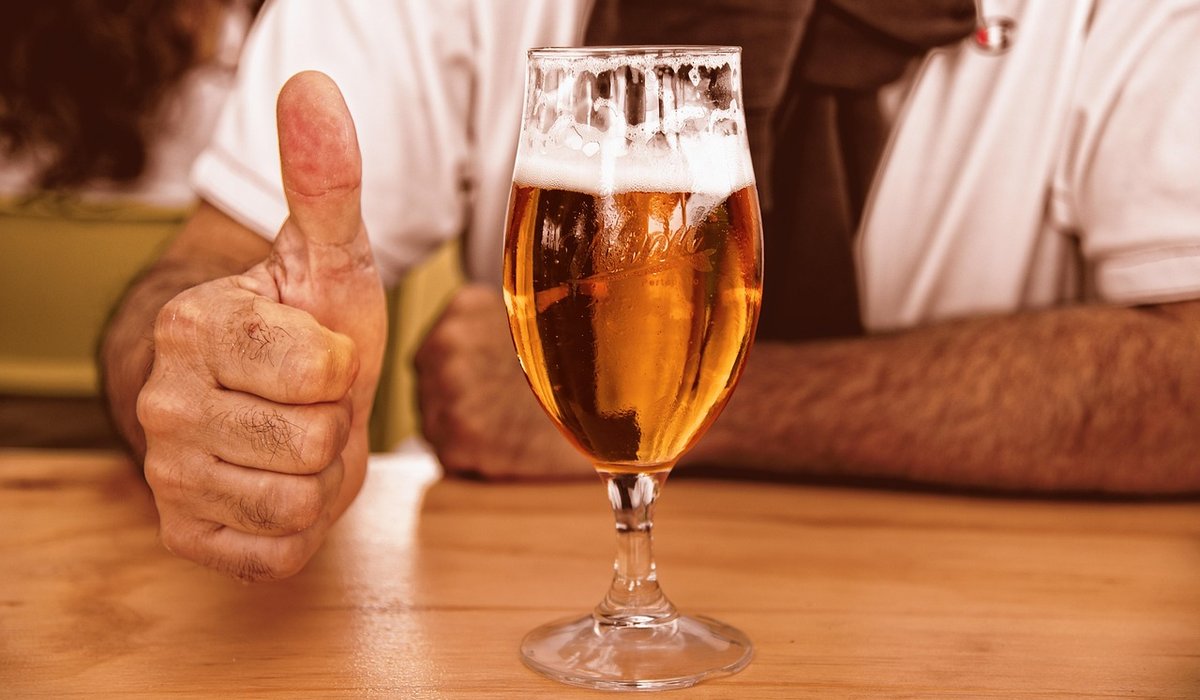
Walking into a proper British pub and seeing a row of hand pumps can be intimidating. Two names you'll often spot are mild and bitter. They're not just strengths or colours; they're distinct traditional styles of real ale, each with its own character, history, and place in pub life. If you're new to cask beer, understanding the difference between mild and bitter is the perfect first step.
What Exactly Are Mild and Bitter?
Mild and bitter are both styles of real ale — beer that undergoes a secondary fermentation in the cask and is served without added gas pressure. The names are historical. Mild originally meant a beer that was less hopped and less bitter than the aged ales of the 18th century. Today it usually describes a dark, gentle, malty beer. Bitter emerged as a hoppier alternative, designed to be refreshing and moreish. Neither term tells you the strength; you can find mild at 3% and bitter at 5%, though both are typically sessionable.
The Gentle Appeal of Mild
Mild is the quiet hero of the British pub. It's usually deep brown to near-black, with a soft, rounded flavour. Think chocolate, coffee, a touch of dried fruit, and very little hop bitterness. Because it's low in alcohol — often between 3% and 3.8% — you can enjoy a few pints without losing your footing. It's the ideal beer for a long afternoon of conversation.
Don't be fooled by the name. Mild refers to the lack of aggressive hopping, not a lack of taste. A well-made mild is complex and satisfying, especially when served at cellar temperature (around 11–13°C), not ice cold. Look for it in traditional pubs, especially in the Midlands and the North. If you normally drink stout or porter, mild will feel like a lighter, easier cousin.
- Colour: dark brown to black
- Flavour: malty, chocolatey, gentle
- Strength: usually 3–3.8% ABV
- Best for: beginners, dark beer fans, long sessions
Bitter: The Hop-Forward Session Staple
Bitter is the most popular style of real ale in Britain, though "bitter" is a relative term. Compared to a modern IPA, a traditional British bitter is balanced and subtle. It ranges from golden to copper to dark amber, with a distinct hop aroma and a dry, refreshing finish. The hops are typically English varieties — earthy, floral, and spicy rather than tropical.
You'll see bitter listed in three broad strengths. Ordinary bitter (or "session bitter") runs about 3.5–4.2% ABV. Best bitter is 4.2–4.7%. Extra special bitter (ESB) or premium bitter climbs above 4.8%. All are served on cask, often with a sparkler in the North to create a creamy head, or without one in the South for a more natural condition. Ask for a pint of "ordinary" or "best" and the landlord will know what you mean.
- Colour: golden to copper to amber
- Flavour: hoppy, dry, biscuity malt
- Strength: 3.5–5.5% ABV
- Best for: pale ale fans, food, social drinking
How to Order and Drink Them Like a Local
Ordering cask beer is a simple ritual. First, look at the pump clips. They tell you the beer name, brewery, and ABV. If you're unsure, ask for a small taste — good pubs will happily give you a mouthful. When you order, say "a pint of mild, please" or "a pint of best bitter". If you want to try both, order a half of each.
Watch the pour. A proper cask pint takes a moment to settle; the beer is drawn from the cask and needs to clear. Don't tap the glass or rush the landlord. In the North, a sparkler attachment creates a thick, creamy head; in the South, you'll get a thinner, natural head. Neither is wrong. Drink with your nose as well as your mouth — the aroma is half the pleasure.
Food, Atmosphere, and the Art of the Session
Mild and bitter are built for pub life. Mild pairs beautifully with roast meats, steak and ale pie, and rich stews. Bitter cuts through fish and chips, ploughman's lunches, and salty snacks. The low alcohol of both styles encourages the "session" — a leisurely stretch of drinking over several hours, where conversation flows as freely as the beer.
Traditional pubs, the kind with worn wooden floors and no television, are the best places to try them. Look for a pub with several hand pumps in constant use, a chalkboard of local ales, and a landlord who knows the beers. Beer festivals are another good starting point, where you can try a third of a pint of each style side by side.
Your First Steps into Mild and Bitter
Start with a half of mild if you enjoy dark, malty flavours, or a half of ordinary bitter if you prefer something hoppier and more refreshing. Try them at cellar temperature, not fridge-cold. Notice how the flavours change as the beer warms. Then branch out: a best bitter, a premium bitter, a mild from a different region.
The beauty of British pub culture is that it rewards curiosity. You don't need to be an expert. You just need to pull up a stool, order a pint, and take your time. Mild and bitter have been enjoyed for centuries for good reason — they're gentle, flavourful, and made for good company. So next time you see them on the hand pumps, give one a try. You might just find your new favourite.
LEAVE A COMMENT