
How to Make a Proper Ploughman's Lunch at Home
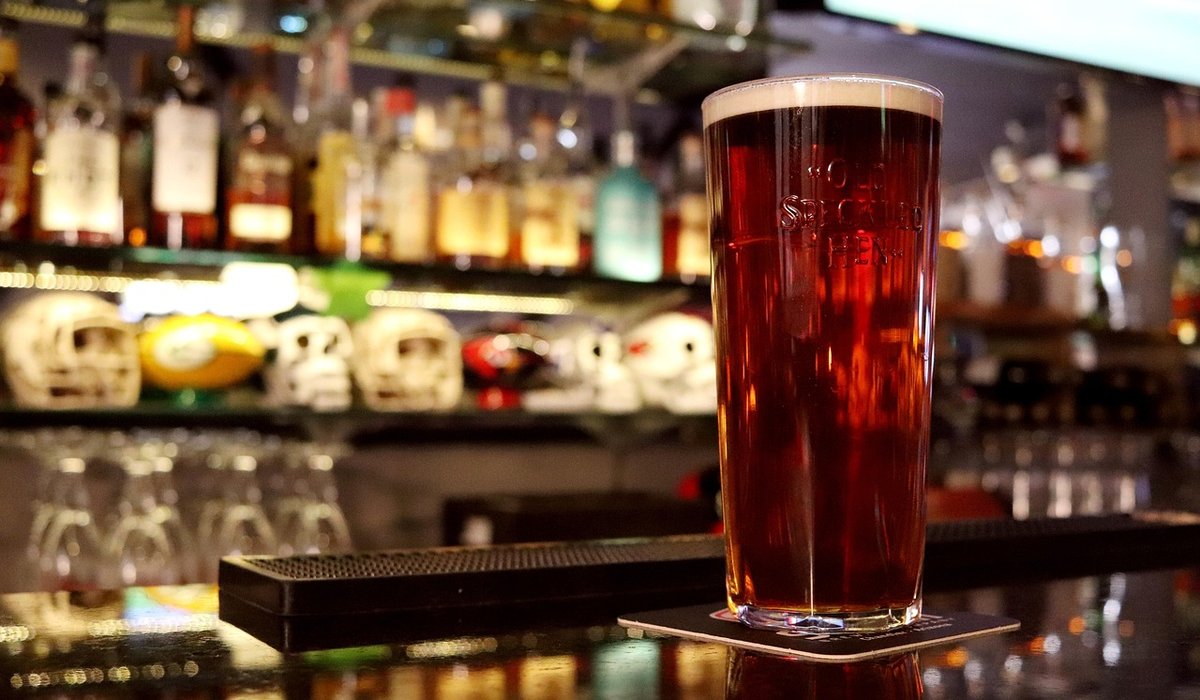
Why Temperature Matters More Than You Think
Real ale is a living thing. Unlike the chilled, filtered, kegged beers that dominate so many bars, a cask of proper British bitter or mild is still fermenting gently when it reaches the pub cellar. It contains yeast, it breathes, and it responds to its surroundings. That is why temperature is not a minor detail but the single most important factor in how a pint of real ale tastes, smells and feels in the mouth.
Get it right and you taste malt, hops, fruit, biscuit, toffee and a clean, lingering bitterness. Get it wrong and you either freeze the character out of the beer or serve something tired, flat and slightly stale. The British have been arguing about this for generations, and the answer has always sat somewhere in the middle: cellar temperature.
What Cellar Temperature Actually Means
When brewers and publicans talk about cellar temperature, they mean roughly 11°C to 13°C (52°F to 55°F). That is the natural temperature of a traditional stone or brick cellar in a British pub, cool but never cold. It is noticeably cooler than a warm front room and a great deal warmer than your kitchen fridge.
Within that range, there is room to manoeuvre. A golden summer ale or a hoppy pale might sit happily at 11°C, where its citrus and floral notes stay bright. A dark mild, a stout or a strong old ale tends to show more of itself at 13°C, where the roasted malt and dried fruit flavours open up. Below 10°C, you are chilling for the sake of chilling. Above 14°C, the beer begins to lose condition and tastes flabby.
The Trouble with Over-Chilling
Cold numbs the palate. It is as simple as that. Serve a well-made bitter at 4°C and the aroma all but vanishes, the malt becomes thin and the hops turn harsh rather than fragrant. The beer feels fizzy and prickly instead of soft and rounded.
Worse, cold masks faults. Publicans who keep their ale too cold are sometimes hiding a beer that is past its best, because the chill disguises the dullness. Drinkers who have only ever had ice-cold cask ale often conclude they do not like it, when in fact they have never really tasted it.
The same applies to the glass. A frosted or chilled glass does the same damage as an over-chilled cask, dropping the temperature of the beer in seconds. Real ale belongs in a clean, dry glass at room temperature. A dimpled jug, a nonic or a simple straight pint will all do the job admirably.
The Trouble with Warm Ale
The old joke about "warm beer" is a misunderstanding, but it contains a grain of truth. Real ale served too warm, say above 15°C or 16°C, loses its carbonation quickly. The gentle condition that gives a cask beer its life escapes into the air, leaving a flat, lifeless pint that tastes sweet and cloying.
Warmth also accelerates staling. Once a cask is breached, oxygen starts its work, and every degree above cellar temperature speeds up the process. A beer that tastes lovely on Friday can taste like wet cardboard by Sunday if the cellar is warm or the cask is left sitting on a bar top in the sun.
Getting It Right at Home
If you keep a cask, a polypin or a mini-cask at home, you can still serve it properly. A few practical points make a real difference:
- Find a genuine cool spot. A north-facing garage, a stone outbuilding or a proper cellar is ideal. A cool cupboard under the stairs often works well in winter.
- Never use the fridge. Fridges sit at 4°C, which is far too cold for cask ale. If a beer has been chilled, let it stand for several hours to come back up to temperature before serving.
- Let it settle. After moving a cask, leave it undisturbed for at least 24 hours so the yeast drops and the beer clears.
- Vent and condition. Loosen the spile to let excess gas escape, then seal it again once the beer has settled and is drawing cleanly.
- Check with a thermometer. A cheap probe thermometer takes the guesswork out of it. Aim for 11°C to 13°C and adjust with a cool box or a damp towel if needed.
- Serve in one go. Pour steadily, let the head form naturally, and never top up a half-drunk pint with fresh beer.
Season, Style and a Little Common Sense
Traditional pub practice has always been pragmatic. In a cold January, a cellar might drift down to 9°C, and publicans will let the beer warm slightly before serving. In a heatwave, they will work harder to hold the line at 12°C. Some breweries specify a preferred range on the cask, and it is worth respecting it.
If you are serving several styles, keep the lighter, hoppier beers marginally cooler and the darker, maltier ones marginally warmer. If in doubt, err towards 12°C. That is the temperature at which British real ale was designed to be drunk, and it is the point at which the malt and the hops sit in balance rather than fighting one another.
Ultimately, the test is your own palate. Taste the beer at 11°C, then taste it again twenty minutes later as it warms in the glass. You will notice the flavours shifting and deepening. That gentle change is one of the great pleasures of cask ale, and it only happens when you serve it at the right temperature in the first place.
LEAVE A COMMENT