
How to Host a Smooth Weekly Pub Quiz Night
Why a Sheltered Pub Garden Needs Tough Plants
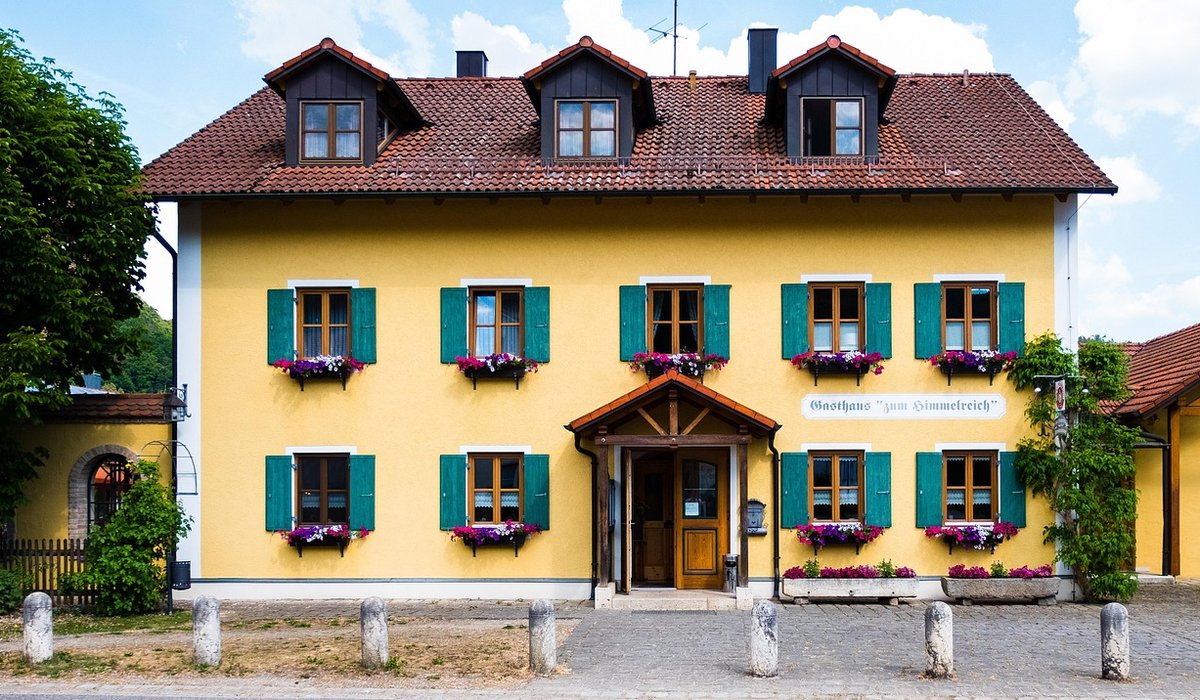
A sheltered pub garden is a precious thing. Often tucked behind the main building, bounded by walls or fences, it offers a suntrap on a mild afternoon and a cosy retreat when the wind is up. But shelter also brings challenges: dry shade, poor air circulation, and soil that can be either bone-dry or waterlogged. For busy pub staff, the last thing you need is a border of prima donnas demanding daily deadheading. The answer is hardy, self-reliant plants that look after themselves while adding scent, colour, and structure. Whether you serve a well-kept pint of real ale or a pot of tea, the garden should feel like a natural extension of the pub’s warm, traditional character.
Lavender: Scent and Structure for a Sunny Spot
No plant says “British pub garden” quite like lavender. Its grey-green foliage and purple flower spikes are a magnet for bees, and the scent is instantly calming. In a sheltered garden, lavender thrives in a sunny corner with well-drained soil. Choose English lavender (Lavandula angustifolia) such as ‘Hidcote’ or ‘Munstead’ – they are compact, hardy, and flower from June to August. A row along a south-facing wall will release its fragrance as customers brush past. Top tip: after flowering, give the plants a light trim in late August, but never cut into old wood. Lavender hates wet feet, so if your sheltered garden has heavy clay, add grit to the planting hole. It will reward you with years of scent and no fuss.
Ferns: The Backbone of a Shady Sheltered Border
Every sheltered pub garden has that shady patch behind the gents or under a dripping downpipe. This is where ferns come into their own. Hardy varieties like Dryopteris filix-mas (male fern) and Polystichum setiferum (soft shield fern) will form lush, arching clumps that look good from spring to autumn and often stay semi-evergreen through winter. They ask for nothing more than a mulch of leaf mould each spring and a cut-back of old fronds in late winter. Ferns bring a soft, prehistoric texture that contrasts beautifully with the sharp lines of a picnic bench or the gloss of a real ale pump clip. Plant them in groups for impact – three or five together – and let them naturalise in a damp corner. They are perfect for that awkward spot where nothing else will grow.
Climbing Jasmine: Fragrance and Shelter on Walls and Pergolas
If you want to soften a brick wall, cover an ugly shed, or create a fragrant arch over a seating area, climbing jasmine is your ally. Common jasmine (Jasminum officinale) is deciduous but vigorous, producing clusters of white, starry flowers from summer into autumn with a heady, sweet perfume that lingers into the evening. It prefers a sheltered, sunny to partially shaded spot and a trellis or wires to scramble up. Important: jasmine needs a bit of tying in while young, but once established it mostly looks after itself – just prune out dead wood in early spring. For year-round interest, pair it with a winter-flowering clematis or a rambling rose. The combination of jasmine’s scent and the low murmur of conversation over a pint of best bitter is what traditional pub life is all about.
Other Hardy Characters for a Low-Maintenance Pub Garden
Beyond the headline acts, several other plants earn their keep without demanding constant attention. Consider these for a sheltered garden:
- Hardy geraniums (cranesbill) – such as Geranium ‘Rozanne’ – flower for months, tolerate shade, and smother weeds.
- Hellebores – evergreen perennials that bloom in late winter, just when the pub garden needs a lift.
- Alchemilla mollis – frothy lime-green flowers that self-seed gently and look lovely after rain.
- Japanese anemones – tall, elegant, and happy in partial shade, they provide late-summer colour.
- Euphorbia characias – architectural evergreen with acid-green flower heads, drought-tolerant once established.
These plants share a common virtue: they are tough, long-lived, and forgiving of neglect. They won’t mind if the pub is busy and the watering can stays empty for a week.
Practical Planting and Aftercare for Busy Staff
Even the hardiest plants need a good start. Here is how to make a sheltered pub garden work with minimal staff time:
- Improve the soil before planting. Fork in plenty of well-rotted compost or manure, plus grit if drainage is poor.
- Mulch generously each spring with bark chippings or leaf mould. This locks in moisture and suppresses weeds, saving hours of hoeing.
- Water deeply but infrequently during the first summer. Once established, most of these plants will survive on rainfall alone.
- Group plants by need – put thirsty ferns together in shade, and sun-lovers like lavender in the hottest spot.
- Prune at the right time – lavender in late summer, jasmine in early spring, ferns in late winter. A simple calendar on the cellar wall helps.
A well-planted pub garden is more than a few pots of begonias. It is a living extension of the pub’s character: a place where the scent of jasmine mixes with the aroma of real ale, where customers linger over a pint, and where traditional pub life carries on, season after season. With these hardy plants, you can create a sheltered retreat that looks after itself – leaving you free to pull the perfect pint.
LEAVE A COMMENT